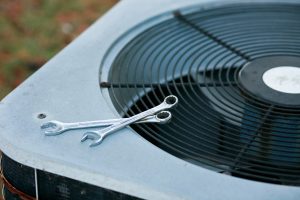
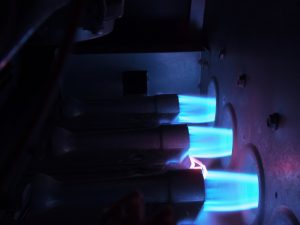
When autumn arrives, the weather gets chilly, and homeowners will be turning to boilers, furnaces and other types of heating system to keep their homes warm in the long winter to come. When comparing options, consider that a boiler uses water to heat your house, while an electric furnace uses electricity, and heat pumps can provide both heating and cooling. Many systems, such as furnaces and boilers, can run on natural gas for greater efficiency. If your existing heating system is one its last legs, now is the time to schedule the installation of a new one.
Replacing a heating system now makes all kinds of sense. The weather is still comparatively warm, which means you won’t have as much need for it as you will in just a few short weeks. It gives you time to plan and prepare for the operation, and schedule a replacement session according to your timetable instead of having to run around in the face of an unexpected breakdown. As you plan, consider your budget, the range of available options, and make sure your purchase is the right fit for your house. That also lets you enjoy the improved performance and reduced operating costs that a new heating system will bring, helping you cut down on those high monthly bills from the time the first snow falls. New systems can also improve air quality and air circulation in your home, and may include features like a programmable thermostat and better insulation for increased energy savings. When scheduling a replacement session, it’s important to choose a reputable company and work with a licensed plumber or hvac professional to ensure proper install and to fix any issues that may arise.
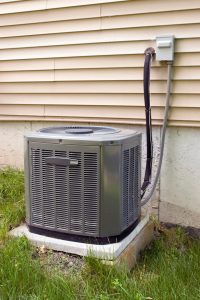

 Summers in Indiana are defined by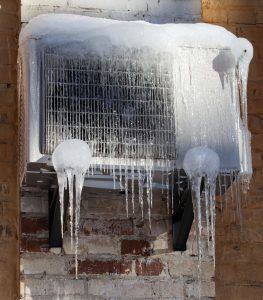
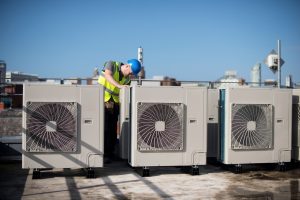 Commercial air conditioners are even more important than residential air conditioners in many ways. Most of us spend the bulk of our days as a business or retail space, after all, and if you’re either a business owner or an office manager, you know how important a comfortable environment is. A problem with your commercial air conditioners could send customers away in droves, force your employees to work in hot and uncomfortable conditions (or even make you send them home for the day), and even damage key components to your business like computers, which can overheat in the midst of our
 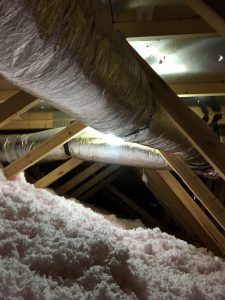 Centralized heating and air conditioning systems rely on a series of ducts to carry cool air to the various corners of your home. They do the same job in the winter when it comes to hot air from your furnace. They do their jobs well in most cases, and because they’re usually hidden behind the walls or in the attic, they don’t often suffer damage. When they do, however – or even when age and wear-and-tear create leaks or breaches – then it can be very hard to spot the damage.
 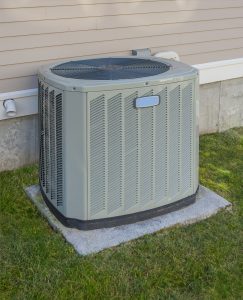 It can be tough to know when your air conditioner needs to be replaced.
  Summers in Indiana are stiflingly hot, with temperatures routinely climbing towards triple digits and beyond. But worse than the heat is the high humidity: turning our homes into swamps and reducing everything to a muggy soggy mess. Air conditioners can deal with humidity by default, but they’re not set up to handle the problem the right way, which can add to monthly bills and increase strain on the system overall.