

Yes, for any newcomers to this blog or the HVAC industry in general, all the equipment that your home relies on does have an expiration date.
For instance, no heating system is going to last more than 30 years, and that includes some of the most state-of-the-art technology in existence.
The hard part isn’t experiencing a heating replacement in Decatur, TN. Sure, it can be expensive and stressful, but that’s not the most stressful aspect of this kind of system expiration date.
The hard part is discovering whether your system just needs a quick fix or a complete replacement in order for your home to remain comfortable and energy efficient.
We can’t give you the certain answers on this blog that we would be able to in an in-person appointment. But what we can do is give you some guidelines to help you make the right call when the time comes.
Let’s get started and figure out how you can spot a heating system that’s on its way out.
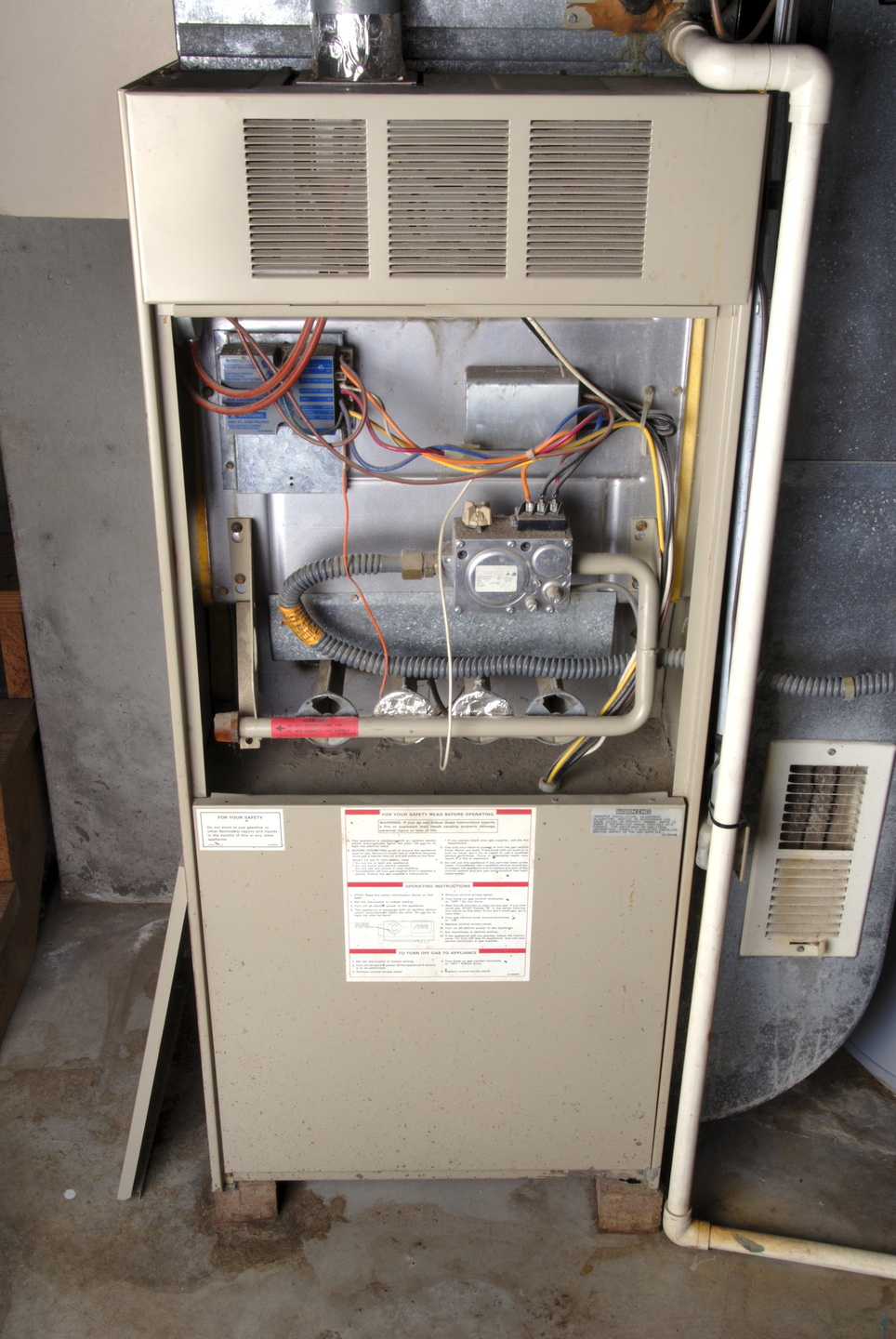
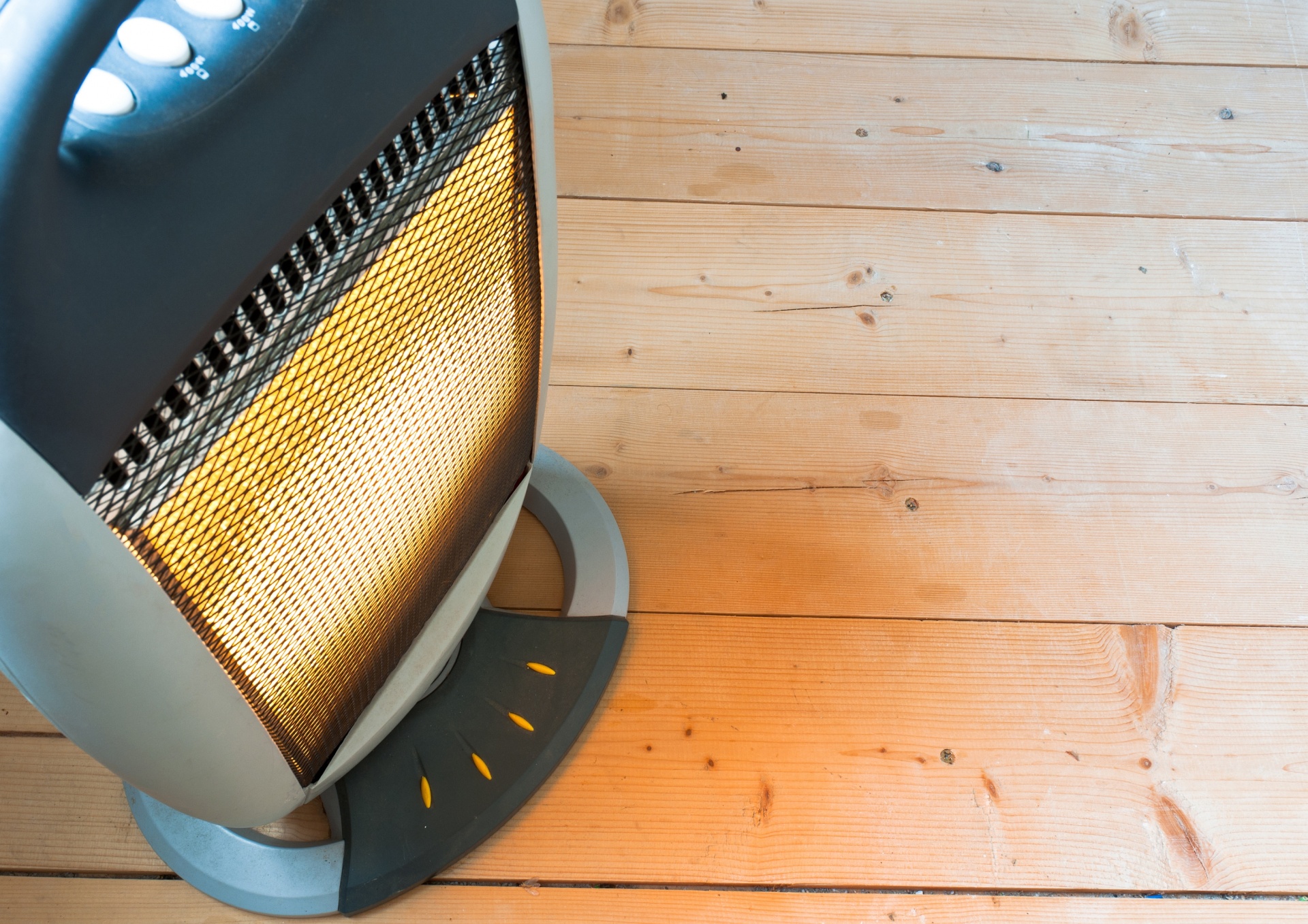
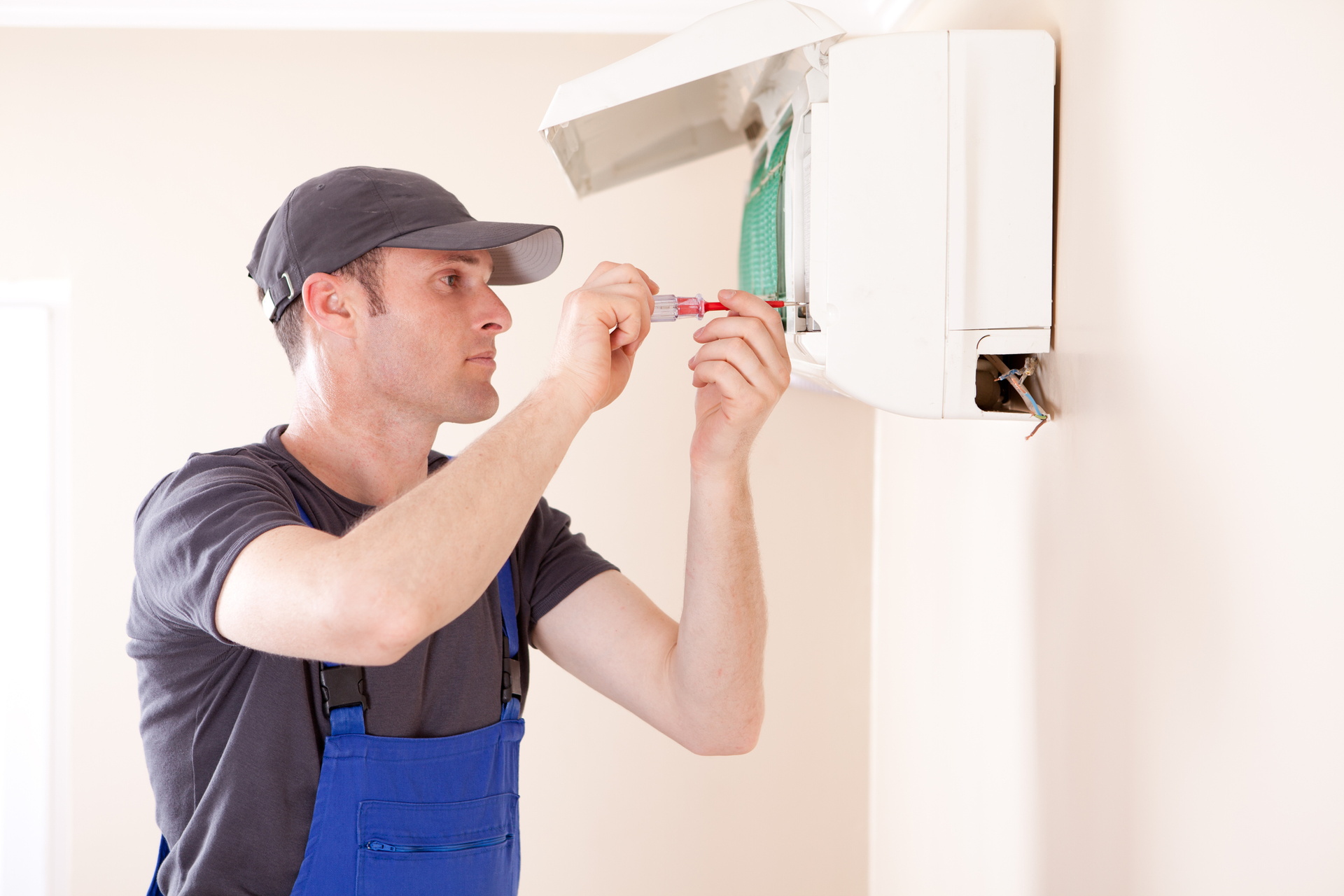

 For all of those homeowners that might be a little skeptical of a gas furnace’s safety, this blog is for you. While yes, without routine maintenance and professional attention for repairs, a gas furnace can run into serious problems that can make it potentially harmful. But when a system is maintained properly and in good shape, it’s actually got a lot of safety mechanisms in place to make sure your home is safe, efficient, and comfortable.
 That probably sounds like a tall task, right? Who determines what the “right” temperature is in your home? This is usually where your friends or family would all give their input on how they set their thermostat, and it would lead to a never-ending conversation about the “right” temperature for the perfect home. However, there’s a little bit of truth in this scenario that we would like to explore–mainly the fact that some temperatures are more efficient than others.
 When talking about the condition of your heating system this year, we need to also include the setting on your thermostat. The higher the temperature, the harder your furnace has to work and the more likely it is that you’ll need
  Some of our readers might be a little puzzled by the title of this blog. How can you start thinking about your next heating installation when you’re still so preoccupied on the one you have? When is a good time to invest in a new heating system?