

Yes, for any newcomers to this blog or the HVAC industry in general, all the equipment that your home relies on does have an expiration date.
For instance, no heating system is going to last more than 30 years, and that includes some of the most state-of-the-art technology in existence.
The hard part isn’t experiencing a heating replacement in Decatur, TN. Sure, it can be expensive and stressful, but that’s not the most stressful aspect of this kind of system expiration date.
The hard part is discovering whether your system just needs a quick fix or a complete replacement in order for your home to remain comfortable and energy efficient.
We can’t give you the certain answers on this blog that we would be able to in an in-person appointment. But what we can do is give you some guidelines to help you make the right call when the time comes.
Let’s get started and figure out how you can spot a heating system that’s on its way out.
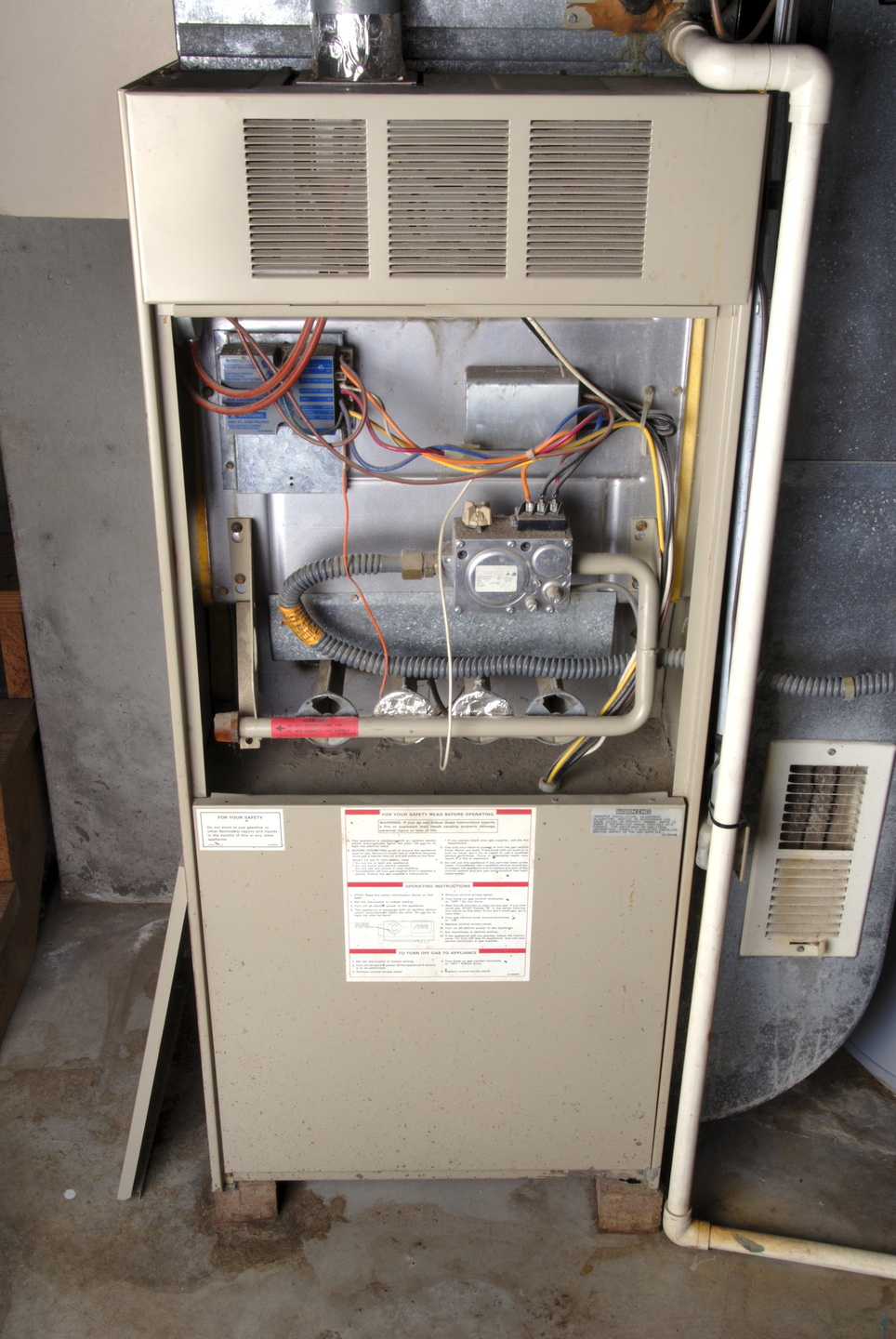

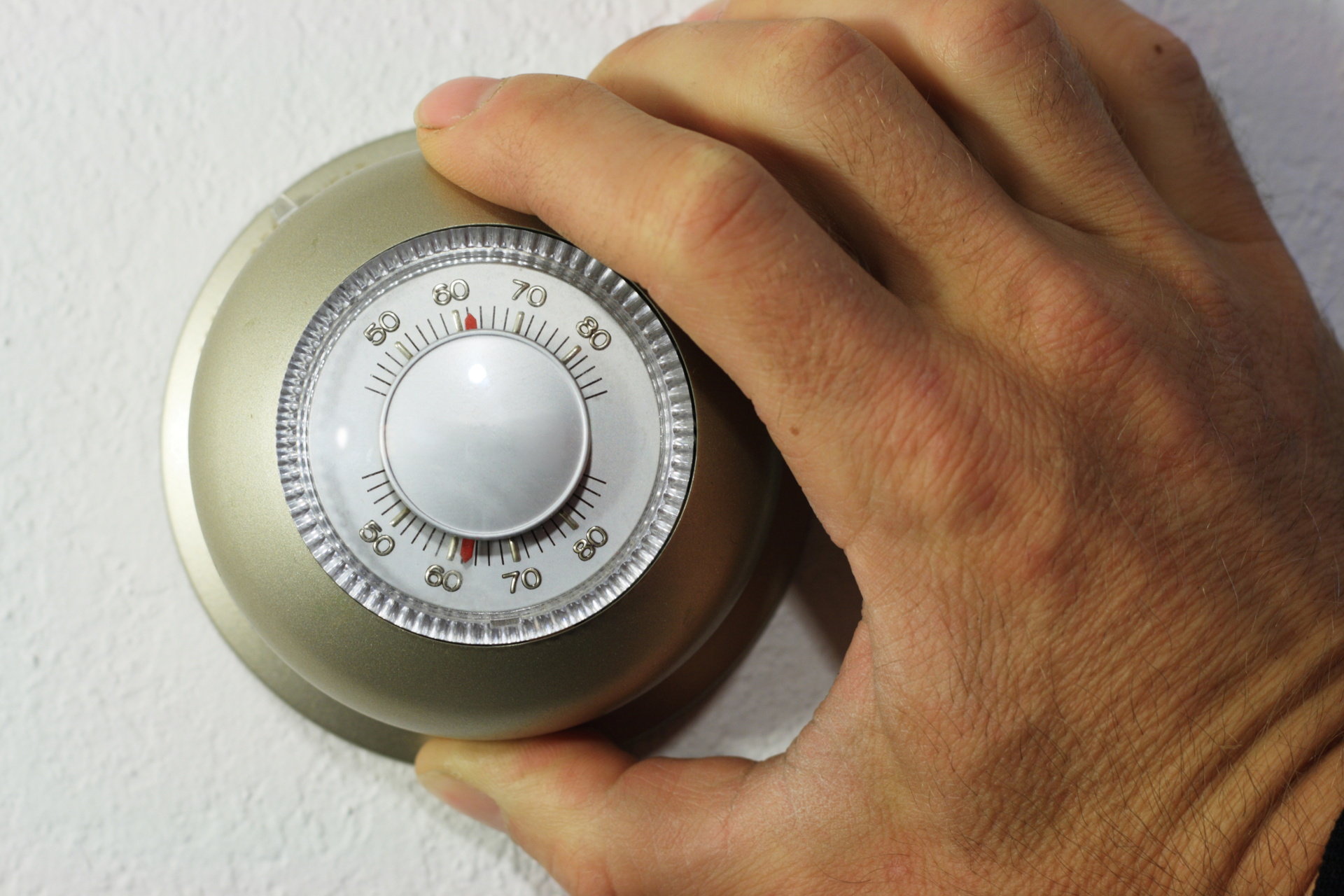
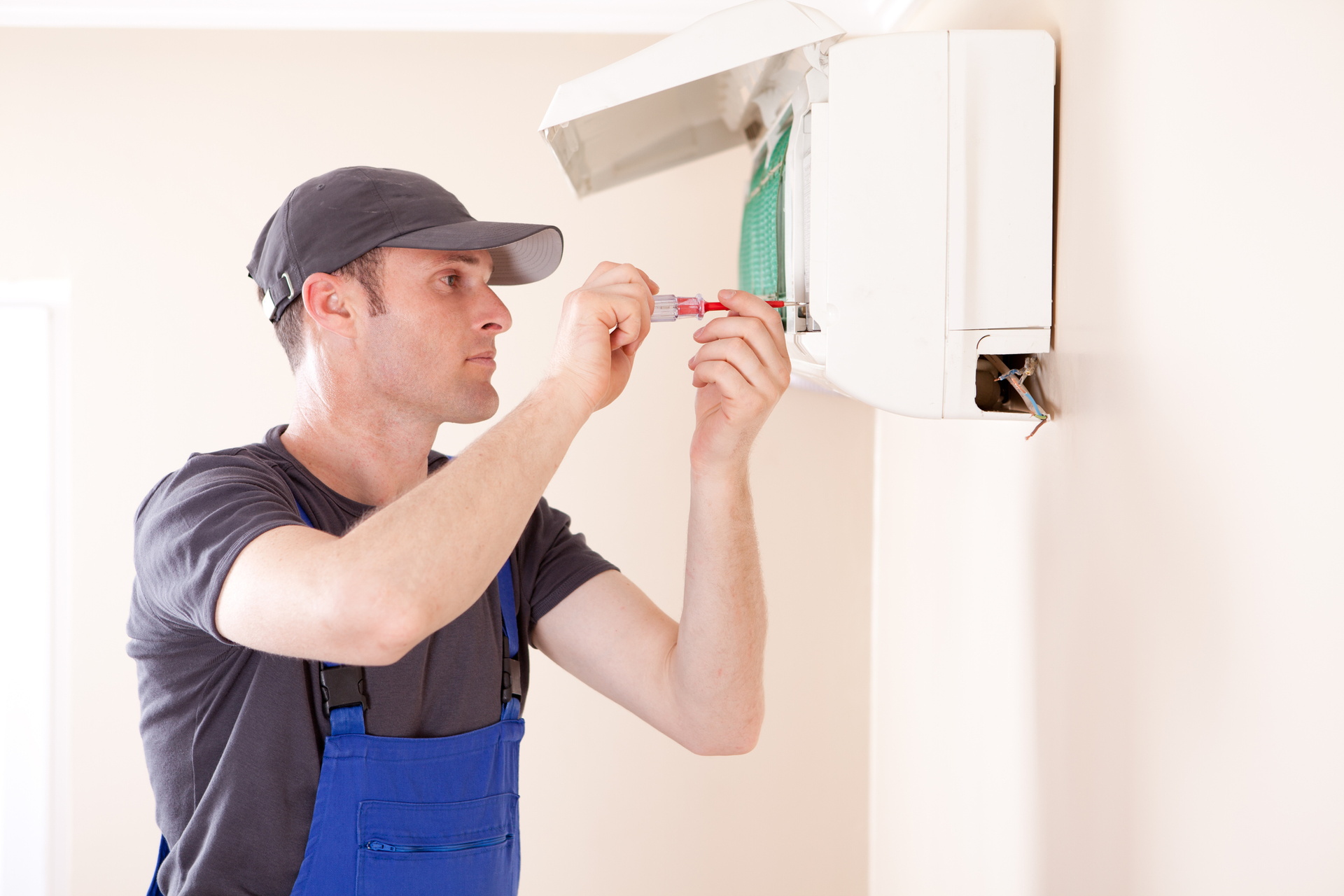

 For all of those homeowners that might be a little skeptical of a gas furnace’s safety, this blog is for you. While yes, without routine maintenance and professional attention for repairs, a gas furnace can run into serious problems that can make it potentially harmful. But when a system is maintained properly and in good shape, it’s actually got a lot of safety mechanisms in place to make sure your home is safe, efficient, and comfortable.
 How are your air ducts doing? If you say anything from “pretty good” to “I have no idea,” then this blog post is definitely for you. Air ducts are kind of a wildcard when it comes to the condition of your HVAC system. They sit in the dark, in places that are hard to inspect or reach, but they’re still incredibly important for the functionality and comfort of your home. Unless you’ve got a ductless HVAC system, they’re going to be integral to everything that we talk about here on this blog.
 This is a bit of a complicated question. There isn’t a machine on this planet that works silently, since the clicking and whirring of metal parts is pretty much synonymous with anything that actually works. If your car was completely silent when you twisted the key, you’d likely be concerned, right? The same thing goes with your central air conditioner. It’s supposed to make some kind of noise, like the gently woosh of air coming from the vents and the quiet hum of the compressor.
 Do you know what’s frustrating? When you’ve got a thousand things on your plate as a business or building owner, and an HVAC technician starts using a bunch of words you’ve never heard. Things like “modular rooftop units,” or “temperature differential,” can sound like they’re speaking a different language. There isn’t a class that’s really available to take for knowledge on the HVAC industry, so you’re just left in the dark.