
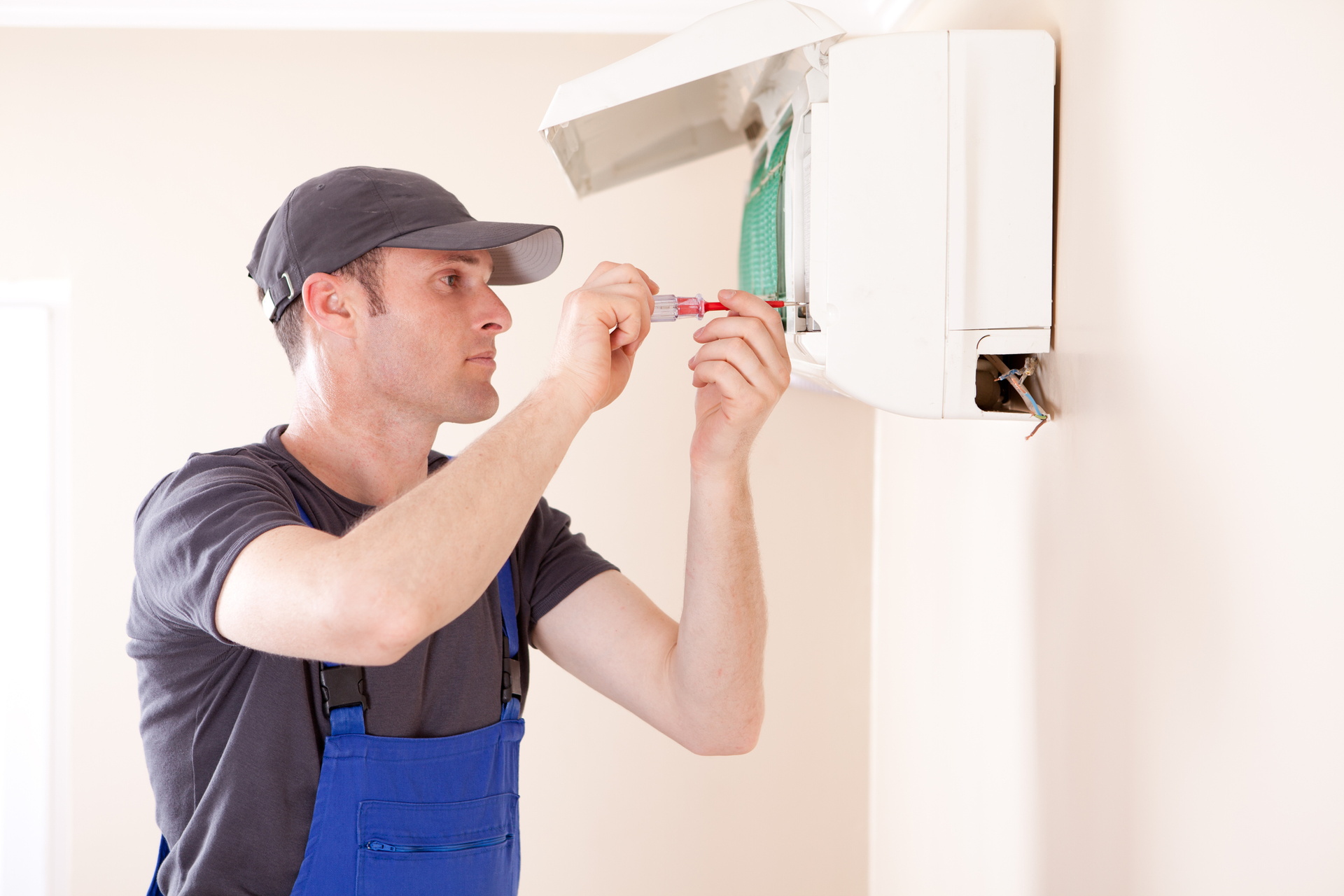
Customers are always on the lookout for a new and improved heating system that might cost them less to use each year, or add to the convenience of their smartphones and smart devices.
A heating system that can heat your home conveniently without running up the bank and costing a fortune will go a long way. That’s what a ductless heater can be.
Ductless heating in New Haven, IN isn’t for everyone. In fact, some people want to stick by their reliable furnaces and central air conditioners (especially if they have great ductwork), but many homeowners could benefit from this kind of system installation.
This blog post is going to cover the question we mentioned above. Why would you want to invest in a ductless heating system, and what are some of the unique selling points of these units? Buckle in, we’ve got a lot to cover!

 For all of those homeowners that might be a little skeptical of a gas furnace’s safety, this blog is for you. While yes, without routine maintenance and professional attention for repairs, a gas furnace can run into serious problems that can make it potentially harmful. But when a system is maintained properly and in good shape, it’s actually got a lot of safety mechanisms in place to make sure your home is safe, efficient, and comfortable.
 How are your air ducts doing? If you say anything from “pretty good” to “I have no idea,” then this blog post is definitely for you. Air ducts are kind of a wildcard when it comes to the condition of your HVAC system. They sit in the dark, in places that are hard to inspect or reach, but they’re still incredibly important for the functionality and comfort of your home. Unless you’ve got a ductless HVAC system, they’re going to be integral to everything that we talk about here on this blog.
 This is a bit of a complicated question. There isn’t a machine on this planet that works silently, since the clicking and whirring of metal parts is pretty much synonymous with anything that actually works. If your car was completely silent when you twisted the key, you’d likely be concerned, right? The same thing goes with your central air conditioner. It’s supposed to make some kind of noise, like the gently woosh of air coming from the vents and the quiet hum of the compressor.
 Do you know what’s frustrating? When you’ve got a thousand things on your plate as a business or building owner, and an HVAC technician starts using a bunch of words you’ve never heard. Things like “modular rooftop units,” or “temperature differential,” can sound like they’re speaking a different language. There isn’t a class that’s really available to take for knowledge on the HVAC industry, so you’re just left in the dark.
 Ductwork is an extremely important part of HVAC systems. While they’re never in the spotlight, that’s reserved for your air conditioning or heating unit, they probably deserve more attention than they usually get. You see, in order for your conditioned or heated air to reach you, it has to travel through your ductwork and ventilation system. If there are any problems with that, then your energy-efficient air conditioner isn’t going to seem so efficient as it leaks conditioned air into the basement or crawlspace of your home.
 Commercial air conditioning is a practical necessity during the summertime. Even if you’ve got a small place of business, it’s important that customers, employees, and clients feel comfortable and happy while they’re there. This can only really be achieved with a commercial air conditioner that’s powerful and efficient enough to cool the entire space of your business.
 You’ve probably heard a lot in the news about geothermal heating and cooling systems. In fact, with record-breaking heatwaves affecting much of the world already, people are looking far and wide for new and inventive solutions to heating and cooling problems.
 Many people like the idea of having an air purifier in their homes. It’s a nifty new piece of technology that promises it will eliminate contaminants and make your home cleaner, safer, and more comfortable. While those promises all sound great, are they really true?