
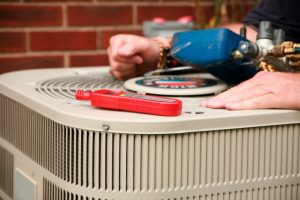
 At some point, you are going to need professional air conditioning repair in Fort Wayne, IN. When that time comes, you want to work with skilled professionals that will get the job done right the first time, every time. That is why you want to schedule your AC repairs with us. Given that, we do understand that you want to keep your repairs as minor and infrequent as possible. The key to this is scheduling routine air conditioning maintenance.
The benefits of regular, professional air conditioning maintenance cannot be overstated. In today’s post, we are going to cover why it is that you absolutely owe it to yourself and to your AC to schedule maintenance with our team. Our HomeSaver’s Club makes maintenance even easier and even more beneficial than you’d imagined. So read on, and remember that you rely on your AC way too much to take any chances with its condition or overall performance quality.
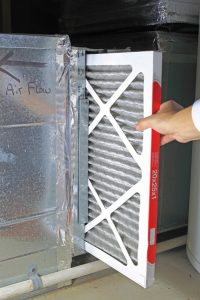 Does it feel like your air conditioner isn’t cooling down your home as well as it used to? If it sounds like your air conditioner is working as it should, yet, it’s taking longer to cool the home (and your cooling bill is gradually rising), then you might have an airflow problem on your hands.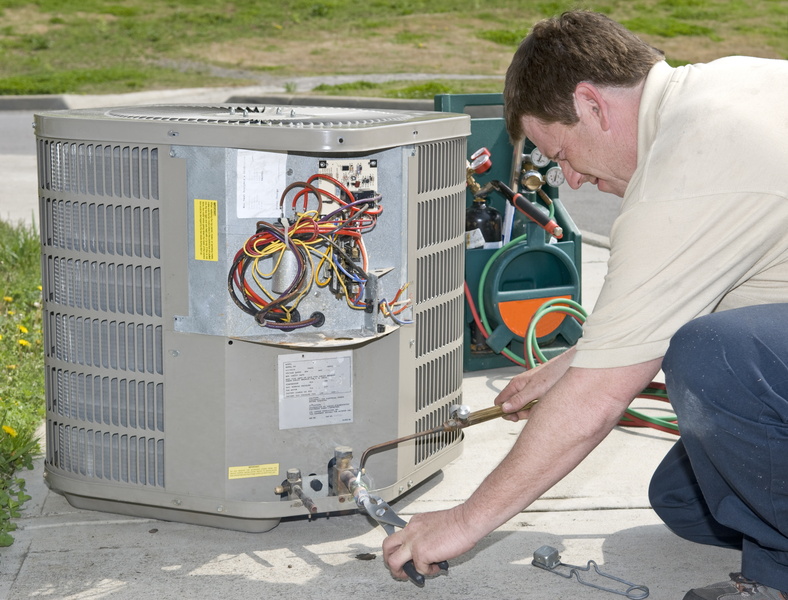
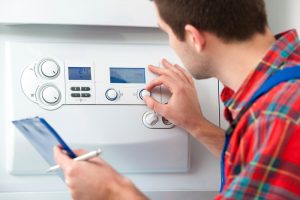 When you hear HVAC technicians refer to “sizing” an air conditioner or heater, they’re not talking about how the unit will fit inside of your home. While that’s certainly part of their expertise and something they should take great care in doing, what this terminology actually refers to is the unit’s output.
 When anyone tells us they’re having an issue with their furnace, the very first thing we do is tell them to change the air filter! The air filter is crucial to your furnace’s operation, and if it’s clogged up with too much dust, it can cause a whole range of issues.
 If you’ve heard much talk about furnaces and their components, you’ve undoubtedly heard about the “blower.” The blower is one of the essential components of the furnace, so we’ll tell you what it is, how it works, and what to expect if it develops problems.
 If you’re in the market for a new heater, there’s really no better option than a geothermal system (and not just because of the 30% tax credit). When you look at what this system has to offer—both in technology and in its operations—it’s tough to say “No.” However, we won’t try and say that
 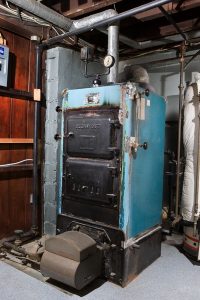 The last thing anyone wants to deal with in their busy lives is an issue with their furnace. After all, you want to associate your furnace with warm air and comfort, not problems and hazards. Even so, the reality is that they can develop issues from time to time. Here are 8 big ones that can warrant emergency repairs.
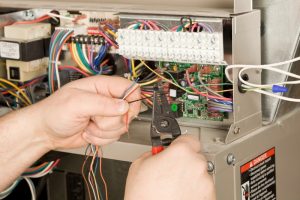 Most advice on the internet about furnaces is geared toward natural gas furnaces. That’s simply because gas furnaces are among the most popular kind of furnace.
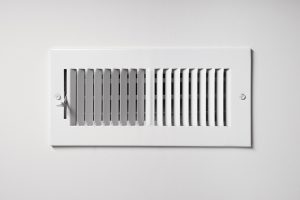 Air flow problems are particularly troublesome issues to deal with. That’s simply because they don’t often make noises or create erratic behaviors, so you may not even notice them when they first start occurring. In fact, most people notice these issues only after they receive a high heating bill seemingly out of nowhere.