
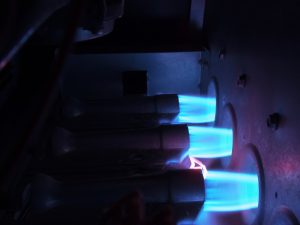
With the weather getting colder every day, you’re going to need the heater in your home to run like clockwork every day. A breakdown in the middle of the winter can be far more than a nuisance: it can pose an active health risk. And if your heating system is older, then you need to consider very carefully whether it can handle another freezing Indiana winter effectively. Most heating systems have a typical lifespan of 15 to 20 years, and aging equipment tends to lose efficiency over time, resulting in higher energy bills and higher energy consumption. If it can’t, then now is the time to get it replaced, while the weather is still comparatively warm and you have time to schedule a replacement session at your leisure.
What are the signs you need a heating system replacement?
You may need a heating system replacement if:
- Your system is 15 years old or more
- You face frequent or expensive repair needs
- Energy bills are rising despite regular use
- Some rooms are colder than others or heating is inconsistent
- You hear strange noises or notice odd smells from the unit
- Your system no longer keeps up with your home’s heating demands
But how can you tell when an older heater is ready to be replaced? What signs can you spot that determine the need to install a new system instead of just repairing or maintaining the old one. Issues like short cycling, unusual noises, and costly repairs are common in aging heating systems. At the end of the day, only the individual homeowner can make that decision. Your heater is unique and you’re likely the best judge about when it needs to be put out to pasture. However, routine maintenance and annual inspections are crucial for helping heating systems operate longer efficiently and for maintaining the system’s efficiency. But there are some firm guidelines that can help you make that decision. All of them boil down to the same basic question: is it more cost effective to keep the older system or upgrade to a new heater? Rising energy bills during the colder months can also be a sign that it’s time to consider replacement.
Introduction to Heating Systems
Heating systems are the backbone of home comfort during the colder months, ensuring your living space stays warm and inviting when temperatures drop. Whether you rely on a furnace, heat pump, or boiler, the right system can make a significant difference in both your comfort and your wallet. Energy efficiency is a top priority for modern homeowners, as it directly affects your energy bills and overall energy consumption. A well-maintained heating system not only keeps your home cozy but also helps you avoid costly repairs and unnecessary energy waste. By understanding how your system works and prioritizing regular maintenance, you can keep your heating running smoothly, reduce your energy bills, and enjoy reliable heat all season long.
Types of Heating Systems
There are several types of heating systems available, each with its own set of benefits and expected lifespan. Natural gas furnaces are a popular choice for their reliability and typically longer lifespan compared to oil furnaces. They offer efficient heat and can help keep energy bills manageable when properly maintained. Heat pumps are another energy efficient option, providing both heating and cooling capabilities and often resulting in lower energy consumption throughout the year. Electric furnaces, while convenient and easy to install, may lose efficiency over time, which can lead to higher energy bills if not regularly serviced. Routine maintenance is essential for all heating systems to ensure they operate at peak efficiency and to extend their useful life. By understanding the strengths and limitations of each system, homeowners can make informed decisions about maintenance, repairs, or when it’s time to consider a replacement.
Signs of a Failing Heating System
As your heating system ages, it may start to show clear signs that it’s no longer operating at peak efficiency. One of the most noticeable issues is uneven heating—some rooms may feel toasty while others remain chilly, creating uncomfortable cold spots throughout your home. This inconsistency can make it difficult to maintain a comfortable temperature and is often a sign that your system is struggling to distribute warm air effectively.
Strange noises, such as banging, rattling, or buzzing, are another red flag. These sounds can indicate loose or failing components within the system, and should never be ignored. Additionally, if you notice excessive dust, rust, or soot accumulating around your registers or vents, it could point to ventilation or combustion problems, which can negatively impact your indoor air quality.
If you’re experiencing any of these issues—uneven heating, cold spots, strange noises, or excessive dust—it’s a good idea to reach out to an HVAC professional. These signs may indicate it’s time to consider investing in a new furnace. They can assess your system and help you determine whether a repair or a full replacement is the best solution for restoring comfort and air quality in your home.
Health and Safety Concerns: Cracked Heat Exchanger
Beyond comfort, an aging or malfunctioning heating system can pose serious health and safety risks. One of the most dangerous issues is the potential for carbon monoxide leaks, especially if you have a cracked heat exchanger in your furnace. Carbon monoxide is a colorless, odorless gas that can be deadly if it accumulates in your home. Older natural gas furnaces and gas furnaces are particularly susceptible to this problem, and gas leaks can also increase the risk of fire or explosion.
Modern systems are designed with advanced safety features to help prevent these hazards, but older equipment may not offer the same level of protection. If you suspect a cracked heat exchanger or notice any signs of gas leaks—such as a rotten egg smell or hissing sounds—turn off your system immediately and contact a professional. Upgrading to a new, modern system not only improves your home’s heat and comfort but also provides peace of mind by reducing the risk of carbon monoxide exposure and other safety concerns.
Frequent Repairs
If you find yourself calling for repairs more often than you’d like, it may be a sign that your heating system is nearing the end of its useful life. Frequent repairs can quickly add up, both in terms of cost and inconvenience. Traditional furnaces and other older systems often require more maintenance as they age, and the expense of replacing worn-out parts and paying for labor can make it less cost effective to keep patching up your current system.
When you’re requiring frequent repairs, it’s important to weigh the costs against the benefits of investing in a new, energy efficient system. Not only will a new system reduce the likelihood of unexpected breakdowns, but it can also lower your energy consumption and utility bills. An HVAC professional can help you evaluate your options and determine if it’s time to replace your system, taking into account its age, energy efficiency, and overall condition.
Warranty Status: A Key Indicator of Heater Lifespan
The warranty on your heater covers the original parts for a set period of years. In most cases, this warranty applies only to the heating unit and not the entire hvac system, so be sure to check the details of your coverage. That means you won’t have to pay for replacement parts if the system breaks down in that time (provided they’re still the original parts). As long as the warranty is still in effect, you’re usually better off repairing a problem than replacing it. The costs will be greatly reduced, since you’ll only be paying for labor and perhaps a few incidental expenses such as new bolts or screws.
Even if the warranty has expired, you can still get good use out of your heater. Regular maintenance will help keep it functioning and even if a repair issue comes up, it might be minor enough to simply fix the old heater instead of throwing it all out. Only when the warranty has expired and expenses are more than you’re willing to pay should you consider replacing your heater sooner rather than continuing costly repairs. Professional installation is also important for maintaining warranty coverage and ensuring long-term system reliability. Only when the warranty has expired and expenses are more than you’re willing to pay should you consider replacement. When deciding to replace your system after the warranty expires, be sure to consider the upfront installation costs involved.
High Repair Costs vs Replacement: Making the Smart Call
Excessive cost for a heater with an expired warranty usually means one of two things.
- Expensive Repairs. Individual repairs may rise higher than you’re prepared to pay for a heater on its last legs. This can mean a single expensive repair call, or it could mean your heater needs frequent repairs (more than, say two repair calls in a single twelve-month period). Repair costs for most furnaces, including oil furnace systems, can be especially high compared to the lower maintenance needs and improved reliability of newer models.
- High Monthly Costs. As heater get older, they become less efficient, and while maintenance can mitigate that to a certain extent time catches up with everything sooner or later. That usually translates to higher monthly costs, and if they get higher than you’re comfortable paying, it might make more sense just to buy a new heating system and take advantage of the improved efficiency. Newer models offer higher SEER ratings, better warranty coverage, and greater energy savings. Be sure to have an HVAC professional perform a load calculation to ensure your new system is properly sized for your home.
When considering heating system replacement, also take into account the age and condition of your ac system, as replacing both at the same time can improve overall efficiency and warranty coverage.
Replacement Options
When it’s time for a heating system replacement, you have a variety of energy efficient options to consider. Heat pumps are an increasingly popular choice, functioning as both a heating system and an air conditioner to provide year-round comfort. These systems offer both heating and cooling capabilities in one system, which can help you save on energy bills year-round. Heat pumps use an outdoor unit to exchange heat with the outside air and connect to indoor units—such as mini splits or ducted systems—via copper lines or ductwork. The cost of installing a heat pump system can range from $6,000 to $20,000 for the appliance units alone, with overall costs potentially reaching $15,000 to $45,000 or more for professional installation. Regular maintenance is critical to extending the life of a heat pump, especially in regions with harsh winters, and heat pumps generally have a lifespan of 10 to 15 years. High-efficiency heat pumps have higher Heating Seasonal Performance Factor (HSPF) ratings, which indicate better energy performance.
Natural gas furnaces are the most common heating system in Fort Wayne, Indiana, due to their high efficiency and reliability in cold temperatures. They remain a reliable and efficient option for many homeowners, providing consistent heat and lower energy use compared to older models. Furnaces typically last between 15 and 30 years, depending on the type and maintenance. High-efficiency furnaces have higher Annual Fuel Utilization Efficiency (AFUE) ratings, which can lead to significant energy savings over time.
For those looking for a cost effective solution, electric furnaces can be a great fit, especially in smaller homes or as part of a hybrid system. Electric resistance heating, including wall heaters and baseboard heaters, are individual units that can be installed in rooms needing extra heating support. Portable heaters, also known as space heaters, are inexpensive and require no installation, making them a simple option for controlling heat from room to room.
Boilers are another option, heating water to produce radiant heat and hot water for the home. They can last between 15 and 30 years, with cast iron boilers tending to last longer than steel boilers. Boilers distribute warmth through radiators or convectors and can use environmentally friendly fuel options.
Radiant heating systems, such as hydronic or radiant floor systems, distribute warmth through floors or walls to create a comfortable indoor environment. These systems use water or electricity to generate radiant heat and typically last 15 to 25 years.
The air conditioning system is a key component of the entire HVAC system, playing a crucial role in climate control, energy efficiency, and comfort within the home. It is often integrated with heating and air filtering functions, and professional installation and maintenance are essential for optimal performance.
Older heating systems often lack the efficiency of newer models, which typically have a higher Seasonal Energy Efficiency Ratio (SEER) rating that can result in long-term savings on utility bills. Most heating systems start to lose efficiency after 15 to 20 years, even with regular maintenance. Maintaining your system’s efficiency through regular maintenance and choosing high-efficiency equipment is essential for performance and longevity.
Consulting with a licensed HVAC contractor is crucial for proper installation and system efficiency. Several HVAC contractors in Fort Wayne are recommended for their reliable service and transparent pricing. A full HVAC system replacement ensures all components are properly matched, installed, and commissioned to work together at peak performance. Before your HVAC replacement, clear access to existing equipment, review ductwork or electrical considerations, and gather any questions for your technician.
Check for available rebates, tax credits, or government incentives for energy-efficient heating system installations to help offset the initial cost. By selecting a properly sized, energy efficient replacement, you’ll enjoy improved comfort, lower utility bills, and long term energy savings for years to come.
Heating Unit Considerations
When it comes time to choose a new heating unit, there are several important factors to keep in mind. Energy efficiency should be at the top of your list, as it has a direct impact on your energy bills and the overall comfort of your home. A heat pump, for example, offers both heating and cooling in one efficient package, making it a versatile choice for year-round comfort. Gas furnaces are known for delivering reliable warmth, but it’s important to consider their maintenance needs and potential for costly repairs over time. Upfront installation costs can vary depending on the type of system you select, so it’s wise to weigh these against long-term energy savings. Additionally, pay attention to signs like uneven heating, strange noises, or declining indoor air quality, as these can indicate that your current system is no longer meeting your needs. By carefully evaluating your options and considering factors like air quality and maintenance requirements, you can select a heating unit that delivers efficient, consistent heat for years to come.
Conclusion
Replacing your home heating system is a significant decision, but understanding the signs of a failing system and knowing your options can make the process much smoother. By staying informed about the different types of heating systems, prioritizing energy efficiency, and considering factors like maintenance and upfront costs, you can ensure your home remains comfortable and your energy bills stay under control. Don’t wait for unexpected breakdowns or rising energy bills to take action—consult with an HVAC professional to explore efficient replacement options tailored to your needs. With the right system in place, you’ll enjoy reliable heat, improved indoor air quality, and long-term energy savings throughout the colder months and beyond.
For quality heating replacement services in Fort Wayne, IN, call the professionals at Collier’s Comfort today!