
 It depends, actually. Various kinds of air filters and air purifiers exist, but they’re not all made with the exact same purpose in mind. Although some of their functions do overlap, it’s more about finding out which one makes sense for you and your home.
For the average homeowner, you just need to make sure that you’re getting the right kinds of treatment for your unique needs. Allow us to explain:
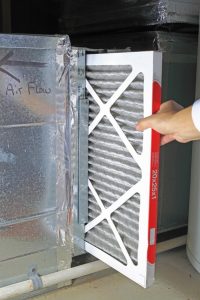 Are you concerned about illness and allergies through the cold season? The cold doesn’t make our home’s air quality any worse, but our immunities will be lowered due to the cold. If your home is not already equipped to combat poor indoor air quality, then here are some steps you can take to change that:
 Heat pumps are renowned for their functionality and efficiency. They can be used as both heaters and air conditioners, and they do so more efficiently than both central air conditioners and furnaces.
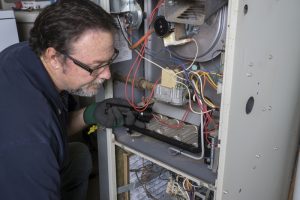 As temperatures continue dropping in Indiana, many homeowners may wonder if their furnace will last them for the whole season. After all, it’s been nearly half a year since they started using their heaters consistently again, so we understand the concern.
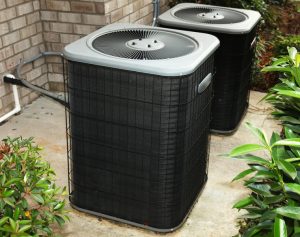 You’ve had your air conditioner for years now, and it has been running pretty well for the most part. You probably had to call for some repairs, and maybe you did some maintenance… But lately, it just doesn’t seem to be pulling its own weight anymore. Is it time to replace it?
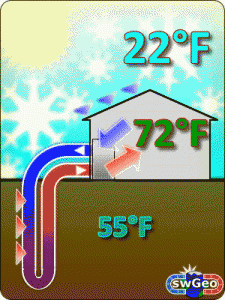 When it comes to heating and air conditioning options, geothermal heat pumps are possibly the best option out there. If that’s true, then why aren’t they household names? That’s most likely because they’re expensive upfront and can only be installed with enough property to work with. Other than that, geothermal heat pumps truly boast some great qualities, such as:
 Before the 1980s, the general philosophy about air conditioning was pretty simple: Bigger is better.
 For allergy and asthma sufferers, it can feel like there’s little hope for them. Aside from what the doctor can provide, most of them have accepted that it’s just a condition they’ll have to live with. It means the potential of suffering whenever they go outside.
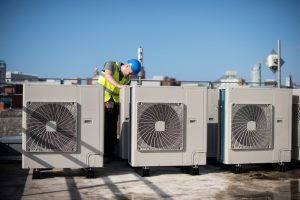 An air conditioner breaking down in the home is one thing, but it’s an entirely different matter in a commercial setting. Productivity is on the line—you simply can’t afford to leave your customers or employees in the heat!