
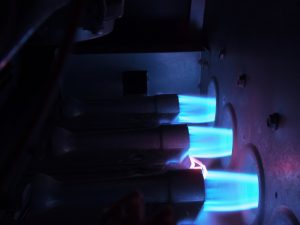
When autumn arrives, the weather gets chilly, and homeowners will be turning to boilers, furnaces and other types of heating system to keep their homes warm in the long winter to come. When comparing options, consider that a boiler uses water to heat your house, while an electric furnace uses electricity, and heat pumps can provide both heating and cooling. Many systems, such as furnaces and boilers, can run on natural gas for greater efficiency. If your existing heating system is one its last legs, now is the time to schedule the installation of a new one.
Replacing a heating system now makes all kinds of sense. The weather is still comparatively warm, which means you won’t have as much need for it as you will in just a few short weeks. It gives you time to plan and prepare for the operation, and schedule a replacement session according to your timetable instead of having to run around in the face of an unexpected breakdown. As you plan, consider your budget, the range of available options, and make sure your purchase is the right fit for your house. That also lets you enjoy the improved performance and reduced operating costs that a new heating system will bring, helping you cut down on those high monthly bills from the time the first snow falls. New systems can also improve air quality and air circulation in your home, and may include features like a programmable thermostat and better insulation for increased energy savings. When scheduling a replacement session, it’s important to choose a reputable company and work with a licensed plumber or hvac professional to ensure proper install and to fix any issues that may arise.
But before that happens, you have to ask yourself if replacing your heater is the right path to take, or if your existing heating system can last at least another winter or two. Check the serial number of your current water heater or heating system to determine its lifespan and whether it’s time to replace it. In the end, only the homeowner can make that call. Since every heating system is unique, the status of yours is something that only you can accurately assess. There are, however, several mitigating factors – two in particular – that can help you make up your mind. Also consider whether your system can keep your home cool in summer and provide cooling as well as heating, especially if you have a heat pump or air conditioner as part of your setup. If both of these conditions are met, it’s probably time to get a new heater.
When considering costs, be aware of the range of expenses for furnace replacement, boiler, electric furnace, and heat pumps, and how these choices can impact your budget and long-term savings.
The Warranty Has Expired
Heating systems all come with a warranty, covering the cost of replacing the original parts for a given period of years. As long as the warranty is still in effect, it’s usually a good idea to repair the heater instead of replacing it, since you won’t have to pay for the replacement parts (provided they’re they originals). Even after the warranty has expired, if the repair costs or operating costs are not too high, then fixing any problems is likely preferable to replacing the whole thing. Only when the warranty has expired and the costs are too high should you consider replacement as an alternative.
Costs Are Too High
What do we mean when we say costs are too high? That comes down to two things.
- Repair costs, which may run higher than the system is worth. This can be because a single repair costs more than the system is worth, or because you have been forced to schedule repairs more than twice in the last twelve months.
- Monthly costs, which inevitably creep upward as the heater ages and loses efficiency. Routine maintenance can curtail this decline, but if you found you were paying more for heating last winter than you’re comfortable paying this year, a new system can ease the pinch of those bills, as well as eliminating the worry about a worn part malfunctioning over the winter.
Health and Safety Concerns
When considering water heater replacement or upgrading your home’s heating systems, health and safety should be at the top of your list. Many homeowners may not realize that an aging gas furnace or water heater can pose serious risks if not properly maintained. One of the most critical dangers is carbon monoxide—a colorless, odorless gas that can be produced by malfunctioning gas water heaters or furnaces. Exposure to carbon monoxide can be life-threatening, so it’s essential to have detectors installed and to schedule routine maintenance to keep your system running smoothly.
Gas leaks are another major concern, especially if your gas line is old or was not installed by a professional with a valid plumbing license. Even a small leak can lead to dangerous situations, including fire or explosion. That’s why professional installation and regular inspections are so important—not only do they ensure your heating unit or water heater is installed to code, but they also help protect your family and property from unexpected emergencies.
Old systems are also more likely to break down or fail to provide enough hot water, especially during the winter when demand is highest. Inconsistent hot water or sudden temperature changes can be more than just an inconvenience—they can lead to scalding or even frozen pipes if your heating system can’t keep up. Upgrading to a new water heater, such as a tankless water heater or an energy efficient heat pump, can help ensure you always have reliable hot water and a comfortable indoor environment.
Many homeowners are also looking for ways to reduce their energy bills and minimize their environmental impact. Modern heating systems, including electric furnaces and tankless water heaters, are designed to be more efficient, helping you save on utility bills while reducing your carbon footprint. While the cost of a new water heater or heating unit can vary based on the type, size, and installation requirements, investing in a replacement now can help you avoid costly repairs and emergency service calls down the road.
Ultimately, protecting your home starts with choosing the right system and ensuring it’s installed and maintained by heating experts. Whether you’re replacing an old system or installing a new tank, working with a licensed professional ensures your system meets all safety standards and runs efficiently for years to come. Don’t wait for a breakdown—plan ahead, explore all the options, and keep your home safe, warm, and energy efficient all winter long.
For quality heating replacement services in Fort Wayne, IN, call on the friendly professionals at Collier’s Comfort today!